Church history

A református egyház vendégeinek és külföldi teológiai hallgatóinak megfigyelése Romániában, a 20. század második felében I

The second half of the 20th century can be characterised by a consolidation of all state structures of the Communist Party. The most important institution in keeping the power was the Secret Police (Securitate), which exercised a strict control over the Churches, including the Hungarian Reformed Church. The Securitate was mostly interested in the foreign contacts of the church.

A református egyház vendégeinek és külföldi teológiai hallgatóinak megfigyelése Romániában, a 20. század második felében. II

Az ÁBSZ megfigyelési prioritásai

During the Communist regime, in the sixties of the 20th century, the Protestant Theological Seminary started the student exchange program with churches and institutions from the Western part of Europe, mainly the Dutch Reformed Churches. It was in 1968 when the first Dutch couple came to spend one study year in the Seminary. After them students have been arriving each year until the end of the eighties. Coming from a capitalist, “unfriendly” country, the Dutch students have always been watched at by the Securitate (Secret Police) very carefully.

Erdélyből Karl Barthról. Karl Barth Erdélyről

E szokatlannak tűnő cím arra az ez ideig feldolgozatlan teológiai-társadalmi kérdésre utal, melyből kitűnik, hogy a 20. századnak talán páratlan tekintélyű teológusa, Karl Barth miképpen viszonyult 1940-ben az erdélyi magyar, illetve a magyar erdélyi határváltozáshoz, más szóval: az akkori Észak- és Dél-Erdély történelmi adottságához.

A Román Állambiztonsági Szolgálat jövőképe, avagy ember tervez, Isten végez. II

The purpose of the Communist regime has always been to abolish the Church, due to the fact that its ideology is totally different from the teaching of the Gospel. The Secret Police, as a handy tool of the Communist Party, was the perfect institution to carry out this plan. The present document demonstrates the intense action which has been taken by the Securitate with the clear intention first to join the two Hungarian Reformed Church Districts of Romania, and then to obliterate it entirely.

Bod Péter püspökei a Smirnai Szent Polikárpus című egyháztörténeti műben

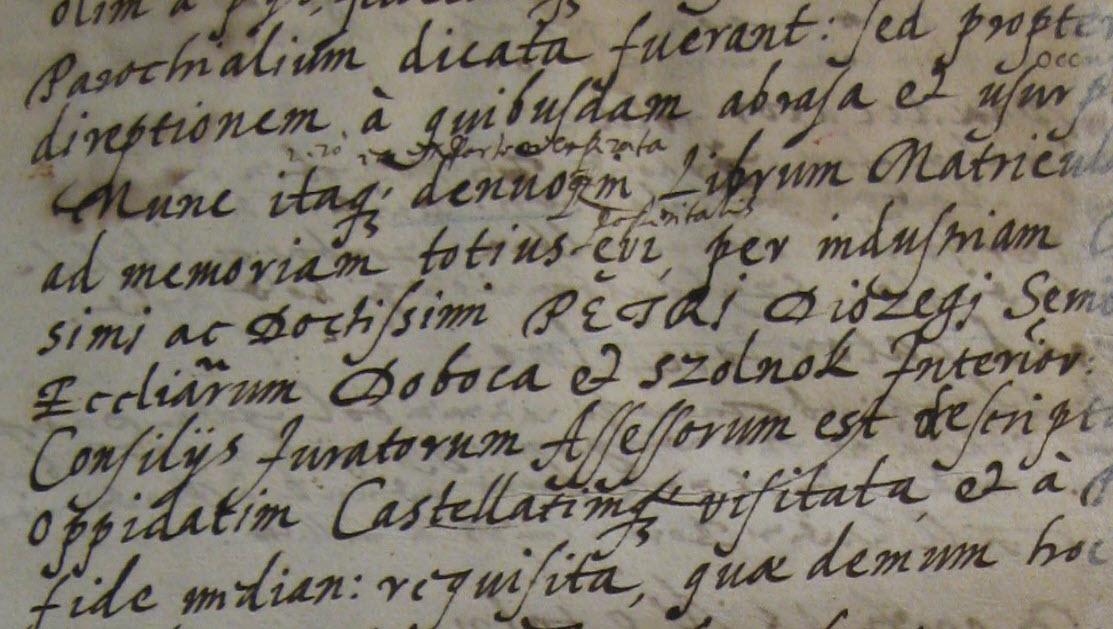
1712. február 22-én született Bod Péter, református lelkész, irodalom- és egyháztörténész. Egyháztörténeti munkásságának legjelentősebb eredménye a latin nyelvű Historia Hungarorum ecclesiastica. Noha a kézirat már 1756-ban nyomdakész volt, és Bod Péter ki is küldte azt Hollandiába, a könyv majd csak 120 évvel később jelent meg Leidenben, három kötetben. Aki végigtanulmányozza a Smirnai Szent Polikárpus című könyvet, az nagyjából tisztába kerül népünk 16–17. századának, valamint a 18. század első felének történelmével, konfliktusaival és eseményeivel.