Kép és/vagy hasonlatosság - az imago Dei kérdése az 1Móz 1,26 (LXX) szerint
A tanulmány célja bemutatni az 1Móz 1,26-ban olvasható kijenetés (teremtsünk embert a mi képünkre és hasonlatosságunkra) héber és görög szövege közötti kapcsolatot.
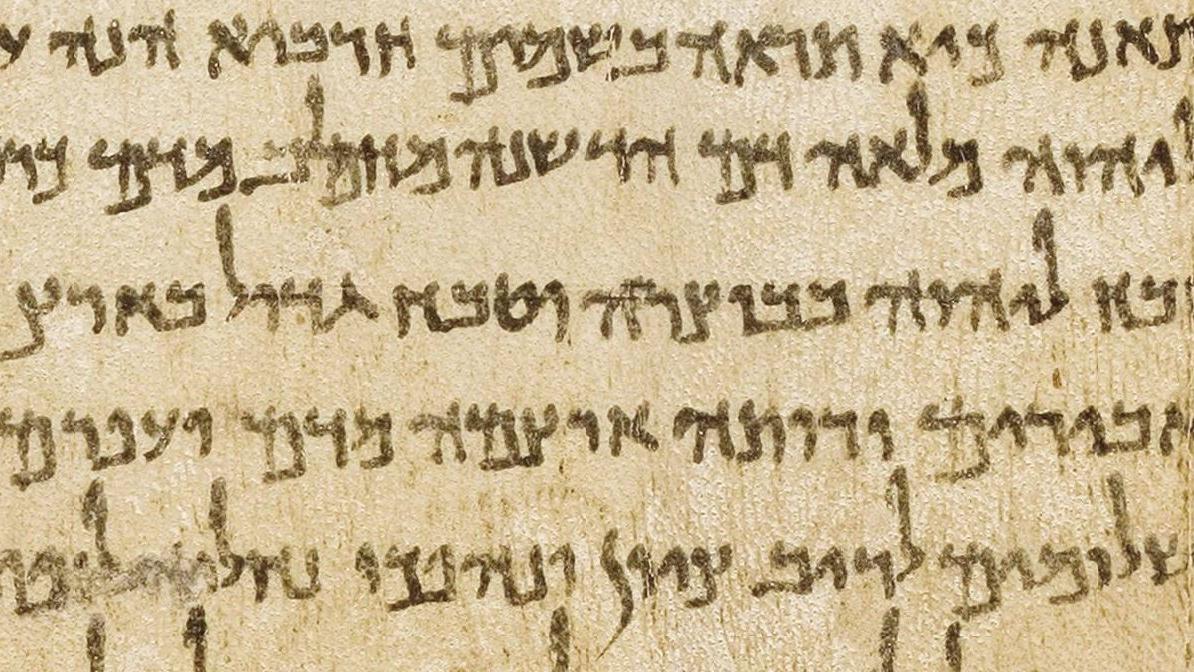
A tanulmány célja bemutatni az 1Móz 1,26-ban olvasható kijenetés (teremtsünk embert a mi képünkre és hasonlatosságunkra) héber és görög szövege közötti kapcsolatot.
A Babilonba elhurcolt júdaiak életének egy-egy mozzanatát, szellemi kontextusát az Ószövetség is feljegyzi (pl. 2Kir 25,27-30; Zsolt 137; Jer 29; Ez; Ézs 40-55). Ezeket a bibliai forrásokat kiegészítik, adott esetben árnyalják, ám mindenképp új perspektívából világítják meg azok az újbabiloni szövegek, amelyek korábbi és újabb ásatások nyomán kerültek felszínre.
Mózes apósának a neve és személye nem egységes az ÓSZ-ben: hol Jetrónak (Ex 3,1; 4,18; 18,1 stb.), hol Reúélnek (Ex 2,19), hol Hobábnak (Bír 4,11) nevezik őt a hagyományok. Mindazonáltal abban egyetértés van az elbeszélések között, hogy egy midianita papról van szó, akivel Mózes házasság útján lép kapcsolatba. A kutatásban az is felmerül az Ex 18,10–12 alapján, hogy Jetró nem akármilyen pogány isten szolgálója, hanem Jhwh papja.
Isa 8:16 is considered a key reference regarding the formation of the book of Isaiah and the role of prophetic disciples in this process. This article argues, however, that originally this verse had a more limited significance. The instruction to which v. 16 refers is to be identified with vv. 12-15 rather than an early ‘book’ of Isaiah. The expression ‘the instructed ones’ (of YHWH rather than the prophet) is applied to the prophet’s audience.
This study argues that Isa 10,16–19, located in the context of the anti-Assyrian prophecy, provides essential clues in understanding the formation of the book of Isaiah. While current research often takes this text as a late redactional composition, it is more reasonable to argue that the pericope was relocated by the editors from a prophecy originally threatening Israel with destruction. This level of meaning is endorsed by the specific metaphors used, as well as arguments from the context, most notably vv. 20–23, which still regard vv. 16–19 as an anti-Israel text.
In the past decades, research has raised the idea of a theology of the Septuagint (LXX) on various occasions. Important works were recently published on this topic in the Handbuch zur Septuaginta and the Septuagint and Cognate Studies series. The general theological tendencies of the LXX are identified by scholars in eschatology, messianism, anti-anthropomorphism and angelology. These tend to all be regarded as further developments of the theology of the Hebrew Bible (HB).
Ebben a tanulmányban két olyan vitatott szövegrészt vizsgálok meg Habakuk könyvéből (Habakuk 1,5 és 2,5), ahol a Masszoréta Szövegnél korábbi verziók egy, a masszoréta hagyománynál korábbi szövegvariánsba engednek betekintést. Az elemzésben Habakuk könyvének két legrégebbi tanúját hívom segítségül, a Septuagintát és a qumráni Habakuk pešert (illetve elemzem a hasonló irányba mutató szír Pesittát is). Az elemzésre kerülő szövegrészek esetében nagy valószínűséggel nem kései, hanem korai olvasatokról kell beszélnünk.
In studies on the composition of prophetic literature, the larger textual layers reinterpreting earlier texts, the so-called Fortschreibungen, received much attention. It is well-known that beside these larger literary elaborations prophetic books also contain shorter explanatory interpolations, often called glosses, which intend to clarify a particular imagery of the prophecy (e.g., Isa 9:14). A systematic reading of these short annotations has been neglected, however, in studying the formation of prophetic books. The present article reconsiders the Isaiah-Memoir from this perspective.
Das alttestamentliche Weltbild und seine Rezeption bei Calvin Die Initialfrage meines Aufsatzes ist die, ob es ein konsistentes, übergreifendes, alttestament-liches Weltbild gibt. C. Houtman hat mit seiner herausragenden Arbeit Der Himmel im AT viel dazu beigetragen, dass man die Mannigfaltigkeit der kosmologischen Konzepte wahrnimmt. Ich versuche im ersten Teil meines Artikels auf die Frage zu antworten,wie man die vielfältigen Auffassungen zu einem gemeinsamen Bild zusammenstellen kann.