Publications





Koppándi Botond Péter › 2017 › Pages: 538--543Meditation, sermon › Practical theology › Isten országa, ODFIE, igehirdetés (prédikáció)
Kató Szabolcs Ferencz › 2021 › Pages: 355--369Research article › Old Testament › Jónás könyve, Asszíria, tanító mese, mélység
Balogh Csaba › 2013 › Pages: 1--18Isa 8:16 is considered a key reference regarding the formation of the book of Isaiah and the role of prophetic disciples in this process. This article argues, however, that originally this verse had a more limited significance. The instruction to which v. 16 refers is to be identified with vv. 12-15 rather than an early ‘book’ of Isaiah. The expression ‘the instructed ones’ (of YHWH rather than the prophet) is applied to the prophet’s audience. This term reflects Isaiah’s characteristic view of prophesying as an act of instruction and prophecy as a form of teaching, and it does not…
Research article › Old Testament › Ézsaiás könyve, prófétafiak, Tóra, redakció
Balogh Csaba › 2016 › Pages: 64--82This study argues that Isa 10,16–19, located in the context of the anti-Assyrian prophecy, provides essential clues in understanding the formation of the book of Isaiah. While current research often takes this text as a late redactional composition, it is more reasonable to argue that the pericope was relocated by the editors from a prophecy originally threatening Israel with destruction. This level of meaning is endorsed by the specific metaphors used, as well as arguments from the context, most notably vv. 20–23, which still regard vv. 16–19 as an anti-Israel text. As a result of this…
Research article › Old Testament › Ézsaiás könyve, redaction history (composition history), prófétai irodalom, Asszíria, Izrael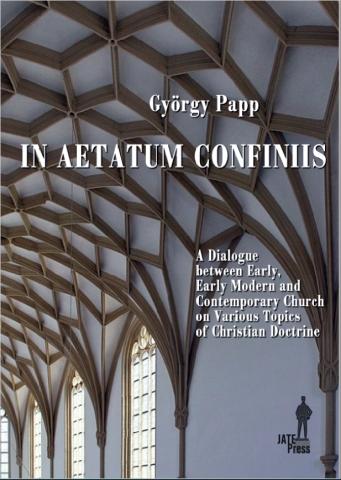
Papp György › 2021 › Pages: 172This volume contains selected papers from the broader field of History of Christian Doctrines, and more specifically from Patristics and Reformation studies, but also from the border between them. Most of them were written in the academic year 2014-2015, during my MA studies in the field of Patristics at the Theological University of the (vrijgemaakt) Reformed Churches in the Netherlands, in Kampen. The main topic of the MA programme was the Baptism in the Early Church, therefore the most of these papers presents various aspects of this question. In the following few paragraphs I will…
Collection of studies › Systematic theology › dogmatörténet, patrisztika, reformációkutatás, keresztség, imago Dei
Visky Sándor Béla › 2018 › Pages: 103--104Biztos-e, hogy Isten mindig a bennünket legégetőbben foglalkoztató kérdésekről akar velünk társalogni? Jóbot szenvedései poklában a legkevésbé sem érdekelte sem a fiastyúk az égen, sem az a fura strucc, sem a víziló csodás páncélzata – Isten mégis furcsamód ezekről beszél neki ahelyett, hogy a nagy miértjeire válaszolna...
Research article › Systematic theology › bibliaolvasás, hermeneutika
Balogh Csaba › 2014 › Pages: 519--538In studies on the composition of prophetic literature, the larger textual layers reinterpreting earlier texts, the so-called Fortschreibungen, received much attention. It is well-known that beside these larger literary elaborations prophetic books also contain shorter explanatory interpolations, often called glosses, which intend to clarify a particular imagery of the prophecy (e.g., Isa 9:14). A systematic reading of these short annotations has been neglected, however, in studying the formation of prophetic books. The present article reconsiders the Isaiah-Memoir from this perspective. It…
Research article › Old Testament › Ézsaiás könyve, interpolációk, glosszák, Ézsaiás emlékirat (memoár), redakció
Balogh Csaba › 2019 › Pages: 17--46Ebben a tanulmányban két olyan vitatott szövegrészt vizsgálok meg Habakuk könyvéből (Habakuk 1,5 és 2,5), ahol a Masszoréta Szövegnél korábbi verziók egy, a masszoréta hagyománynál korábbi szövegvariánsba engednek betekintést. Az elemzésben Habakuk könyvének két legrégebbi tanúját hívom segítségül, a Septuagintát és a qumráni Habakuk pešert (illetve elemzem a hasonló irányba mutató szír Pesittát is). Az elemzésre kerülő szövegrészek esetében nagy valószínűséggel nem kései, hanem korai olvasatokról kell beszélnünk.
Research article › Old Testament › Septuaginta, Habakuk könyve, textual history, szövegkritika, Habakuk peser, textual history
Koppándi Botond Péter › 2014 › Pages: 112--125Research article › Practical theology › gyülekezetépítés
Koppándi Botond Péter › 2016 › Pages: 313--319Research article › Practical theology › gyülekezetépítés
Kovács Sándor › 2018 › Pages: 11--11Popular article › Church history › vallásszabadság, tordai országgyűlés, Tordai vallásbéke, 1568
Kurta József Tibor › 2015 › Pages: 245--252A tanulmány a 2002-2013 közötti időszak erdélyi protestáns gyakorlati teológia irodalmának bibliográfiai anyagát összesíti. A közlésre kerülő bibliográfia jelzésértékűnek is tekinthető jellemvonást mutat.
Research article › Practical theology › bibliográfia, Gyakorlati teológia
Kató Szabolcs Ferencz › 2020 › Pages: 1--7In the past decades, research has raised the idea of a theology of the Septuagint (LXX) on various occasions. Important works were recently published on this topic in the Handbuch zur Septuaginta and the Septuagint and Cognate Studies series. The general theological tendencies of the LXX are identified by scholars in eschatology, messianism, anti-anthropomorphism and angelology. These tend to all be regarded as further developments of the theology of the Hebrew Bible (HB). However, one can trace the evolution of these and other main…
Research article › Old Testament › Septuaginta, névteológia, bibliai teológia
Kató Szabolcs Ferencz › 2011 › Pages: 207--212A Deut 32,24-et nagyon gyakran úgy tekintik, mint az izraeli vallásban továbbélő, politeista elemek monoteizmus előtti vallástörténeti kövületét. Ennek megfelelően a 24. versben előforduló „dögvész” és „járvány” kifejezéseket a kánaáni Resef és Qeteb istenségek vagy természetfeletti erők (görög eredetű szóval démonok) megtestesítőinek tartják. Feltűnő azonban, hogy a két említett főnév a Deut 32,24–25-ben JHVH hét nyila között jelenik meg, ahol öt minden kétséget kizáróan megszemélyesített jelenség, és nem démon vagy istennév. Valószínűleg a „dögvész” és a „járvány” is ehhez hasonlóan…
Research article › Old Testament › vallástörténet, démonológia, irodalmi pogányság, Qeteb, dögvész
Kató Szabolcs Ferencz › 2019 › Pages: 220--234Der Tempelweihspruch (I Reg 8,12–13) ist in einer längeren Version in der LXX (III Bas 8,53) überliefert. Wie verhalten sich die beiden Fassungen zueinander? Dieser Artikel argumentiert dafür, dass sowohl der MT als auch die LXX auf eine gemeinsame fehlerhafte Quelle zurückgehen, die der Herausgeber des MT dahingehend korrigierte, dass er Sätze des ursprünglichen Spruches wegließ, während der Übersetzer der LXX den Spruch möglichst wörtlich zu übersetzen versuchte. Dies wirft auch ein Licht auf die rätselhafte Aussage über die Sonne, die nach dieser Hypothese wie folgt gelautet haben…
Research article › Old Testament › textual history, szövegkritika, Septuaginta
Balogh Csaba › 2009 › Pages: 5--9Research article › Old Testament › Egyiptom, Kús, Ézsaiás könyve, idegen népek
Balogh Csaba › 2021 › Pages: 31--34The erudition, precision and commitment guiding this study is admirable. Nonetheless, while linguistic analysis may entice the reader with the promise of a higher degree of objectivity, preconceptions regarding the base text, its structuring, the construction of reading, and the interpretation of linguistic data involve a fair amount of subjective and debatable factors that confine Systemic Functional Linguistics within the methods to be tamed by responsible scholarship.
DOI: https://doi.org/10.1093/jss/fgab006
Review › Old Testament › Habakuk könyve, nyelvészet, héber nyelv
Kató Szabolcs Ferencz › 2016 › Pages: 35--41A tanulmány a Dániel könyvében fellelhető feltámadás gondolatát teszi vizsgálat tárgyává. Az Ószövetség-tudományban általánosan elterjedt az a vélemény, mely szerint a személyes feltámadás gondolata először a Dániel könyvének apokaliptikus szakaszában jelenik meg. A konszenzus szerint tehát Dániel könyve Izrael túlvilághitének gyökeres változásáról tanúskodik. A kérdéses szövegrész vizsgálata azonban azt mutatja, hogy Dániel könyve nem egy általános, egész népet érintő feltámadás gondolatának első szövegtanúja, hanem sokkal inkább abban a hagyományban gyökerezik, mely Isten szabadítását a…
Research article › Old Testament › apokaliptika, szimbólumok, feltámadás