Publikációk




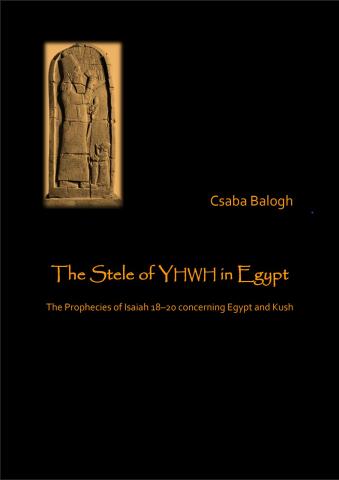
Balogh Csaba › 2009 › Oldal: 481This is a study of Isaiah 18-20, three chapters in the so-called Isaianic prophecies concerning the nations, Isaiah 13-23 (24-27). Beyond being located close to each other in this literary corpus, there is at least one common element that ties these three chapters together: Isaiah 18-20 deal with two neighbouring countries of the Nile, Kush and Egypt respectively. The two lands were politically closely related in the era of the prophet Isaiah, so that addressing them in proximity to each other should not be surprising in a book set in the period of Uzziah, Jotham, Ahaz, and Hezekiah…
Monográfia › Ószövetség › prófécia, Ézsaiás könyve, idegen népek, Kús, Egyiptom
Pásztori-Kupán István › 2009 › Oldal: 155--179Szaktanulmány › Rendszeres teológia › vallásszabadság, vallásbéke, Tordai vallásbéke
Balogh Csaba › 2018 › Oldal: 363--390This article argues that Isaiah's so-called ‘refrain poem’ (Kehrversgedicht) in Isa. 9.7–20 is a composite text, going back to two early prophecies with different concerns. Isaiah 9.7–17* focused originally on the arrogant refusal of the divine word, while Isa. 9.18–20* reflected on the chaotic social circumstances in Samaria in the eighth century. The refrains in vv. 9,11cd, 16ef and 20cd were added to these two already connected prophecies at a later stage. The theological summary in v. 12 is yet another addition, closely affiliated with 5.24–25. Unlike v. 12, the refrains do not have…
Szaktanulmány › Ószövetség › Ézsaiás könyve, szerkesztéstörténet (redakciótörténet), újraértelmezés, glosszák, Izrael
Pásztori-Kupán István › 2010 › Oldal: 77--94Szaktanulmány › Rendszeres teológia › Szentháromság, monofizitizmus
Pásztori-Kupán István › 2009 › Oldal: 285--291Szaktanulmány › Rendszeres teológia › Órigenész, Szentlélek, Héberek szerinti evangélium
Pásztori-Kupán István › 2011 › Oldal: 25--34This study presents the doctrinal environment of the Nicaeno-Constantinopolitanum, including its lost Tomus, mentioned by the synodal epistle of 382, in light of which the Creed’s theology ought to be explained. Despite some lacunae, modern scholarship established links between the West (Rome), the Antiochene council of 379 and the ecumenical council of 381. The Fathers’ attempts to find new methods of expressing a pneumatology based on the threefold ὁμοούσια demonstrate that the consubstantiality was meant to be extended to the Spirit. The Early Church regarded the Nicene Creed as being…
Szaktanulmány › Rendszeres teológia › Nicea-Konstantinápolyi Hitvallás, ökumené
Balogh Csaba › 2014 › Oldal: 7--14The studies of this volume were presented originally at a Brueggemann-conference in the Protestant Theological Institute of Cluj-Napoca, Romania (April 24-25, 2012). This symposium was part of a study week organised by ministers from The Netherlands and Transylvania in Györgyfalva, near Cluj-Napoca, on the eve of the publication of the Hungarian translation of one of Brueggemann's most significant books, the Theology of the Old Testament.
E kötet tanulmányai eredetileg 2012. április 24–25. között, a Kolozsvári Protestáns Teológiai Intézetben szervezett Brueggemann-konferencián…
Előszó › Ószövetség › Walter Brueggemann, bibliai teológia, ószövetség-értelmezés
Koppándi Botond Péter › 2008 › Oldal: 256--259Igehirdetés (prédikáció) › Gyakorlati teológia › egyházköri közgyűlés, igehirdetés (prédikáció)
Pásztori-Kupán István › 2009 › Oldal: 252--286Szaktanulmány › Egyháztörténet › Tordai vallásbéke, vallásszabadság, tolerancia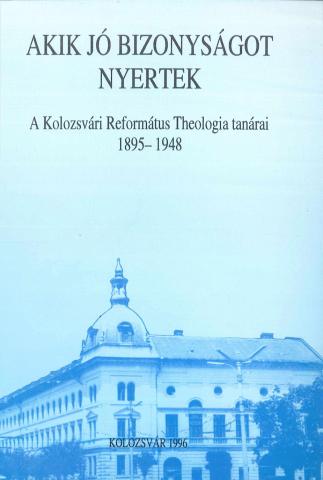
Juhász Tamás › 1995 › Oldal: 277--294Szaktanulmány › Rendszeres teológia, Egyháztörténet › életmű, biográfia, teológiai tanárok
Balogh Csaba › 2014 › Oldal: 27--44In Jeremiah 28, there is a dispute between the prophets Jeremiah and Hananiah over the (il)legitimacy of prophecies of salvation concerning Judah and prophecies of judgement regarding Babylon. On the eve of Jerusalem’s fall to the Babylonians, the prophet Jeremiah, who proclaims judgement on Judah at the hands of Babylon, appears to be the true, genuine, canonical voice of God. While this text does not preclude the eventual authenticity of prophecies of salvation in the event that they are proven valid by being fulfilled, it nevertheless is rather strange that the book of Jeremiah ends…
Szaktanulmány › Ószövetség › Habakuk könyve, prófétai könyvek, prófétálás, prófécia, újraértelmezés
Pásztori-Kupán István › 2013 › Oldal: 125--134Szaktanulmány › Rendszeres teológia › dogmatörténet, keleti egyház
Visky Sándor Béla › 2009 › Oldal: 51--74Szaktanulmány › Rendszeres teológia › teremtés, evolúció, természettudományok és vallás
Balogh Csaba › 2012 › Oldal: 147--176According to Gen 1, the “classical” story of the origin of humanity, God began and finished the creation of man on the sixth day. In this view, creation is a one-time divine act dated to the dawn of history. Psalm 139,13-16 provides an alternative concept regarding human origins. The ideas permeating this Psalm are less widespread in the Bible, and they were far less influential for later theological works than the classical biblical accounts of creation. Nonetheless, these anthropological notions appear to be firmly rooted in folk religion. Making lavish use of motifs familiar from…
Szaktanulmány › Ószövetség › antropológia, mítosz, születés, teremtés
Kató Szabolcs Ferencz › 2018 › Oldal: 105--114Az északi országrész, Izráel nemzeti vallásának rekonstrukciója korlátokba ütközik. Az északi szövegeket déli recenziójukban vették fel az Ószövetségbe, és lépten- nyomon észrevehető egy erős polémia az izráeli vallási megnyilvánulásokkal szemben. A deuteronomista mozgalom óta minden nem Jeruzsálemben lejátszódott kultuszt illegitimnek tekintenek, és azt retrospektív beledolgozták a szövegekbe is. Azonban még így is felsejlik az eredeti vallás kontúrja. Az Ószövetség beszámolója alapján Izráel istenét bika alakjában képzelték el és ábrázolták ki, amely a viharistenek szimbolikájára…
Szaktanulmány › Ószövetség › Samária, vallástörténet, viharisten
Balogh Csaba › 2018 › Oldal: 1--6Writing a commentary with one eye for critical issues and with another for interested lay readers with no knowledge of biblical languages is always a demanding task, but it becomes an almost impossible undertaking in a case such as the book of Habakkuk, insofar as most problems of this controversial small composition are closely tied to (Hebrew) textuality. Although I did occasionally have doubts regarding the accessibility of the topic and the language of exposition for the general reader, one must ultimately recognize that Oskar Dangl did attain the purpose of any serious commentary with…
Recenzió, kritika › Ószövetség › Habakuk könyve
Balogh Csaba › 2020 › Oldal: 1--6This collection of studies going back to a conference held in 2015 in Jerusalem aims to show that there is a clear continuity of the Isaianic tradition beyond the era of the eighth-century prophet. In comparison to other books of the Old Testament, Isaiah has been one of exceptional influence throughout the centuries. The ten essay included here underline this statement from various perspectives, dealing with the reception history of Isaiah in different periods. Below I present a short overview of its content with several remarks appended to each study.
…
Recenzió, kritika › Ószövetség › Ézsaiás könyve
Balogh Csaba › 2017 › Oldal: 1--7Recenzió, kritika › Ószövetség › Ézsaiás könyve, Ézsaiás emlékirat (memoár)
Balogh Csaba › 2015 › Oldal: 113--125This study argues that the phrase פָּרָשָׁיו וּפָרָשָׁיו should be emended to פָּרָשָׁיו וּפָרְשׂוּ, "their horses (or: horsemen) swarm out (or: spread out)". This reading is indirectly supported by some of the ancient witnesses (LXX and 1QpHab) and is better suited to its context than the Massoretic version.
Szaktanulmány › Ószövetség › Habakuk könyve, szövegkritika
Kató Szabolcs Ferencz › 2021 › Oldal: 1--7Weather imagery plays a major role in Hosea. Hosea 2 recalls the image of an unfaithful wife; Hosea 4:2–3 describes the withering of the land; in 6:3; 10:12; 14:6, the several types of precipitation draw attention to the utterance of YHWH or the requested righteousness; in 9:10.13.16; 10:1; 13:5; 14:6.8, Israel is symbolised by different plants that blossom and wither, depending on their relation to Yhwh. In all of these instances, weather phenomena contribute to these images. In this article, I try to catalogue and evaluate the metaphors and concepts to look at how meteorological images…
Szaktanulmány › Ószövetség › Hóseás könyve, metafora, monolátria, politika